
My bone density decreased 5% in one year—the average is 0.5%-1%. My doctor was concerned, I was broken—dumbfounded. A year ago, my baseline DEXA Scan was concerning and parathyroid numbers had been high, not horrifically high, but high enough for an endocrinology referral.
For the past year, I had been doing everything right—or so I thought. I walked, lifted heavy things (my purse is loaded with medications and snacks) and consumed more milk than a kitten. On a recent trip across the pond, I was intentional about functional strength training: exercised while standing in lines; carried luggage and purchases as if they were dumbbells; ate copious amounts of cheese and drank whole milk lattes or breves with reckless abandon… and yet, here I was—with progressive osteopenia.


Fortunately, seven days after the disappointing scan, I had a regular check up with an endocrinologist. Not my regular endocrinologist—who was on leave—but an older, seasoned doctor was filling in.
Waiting a week for my appointment was torturous. I scanned every medical study I could find. I learned that hyperparathyroidism wasn’t “treated”—it was surgically removed. They slice your neck at the base, scrounge around for a parathyroid gland the size of a grain of rice, remove the one they think is the offender, and after 15–20 minutes check your parathyroid levels; If numbers normalize, they’ve found the culprit. If not—they scrounge around some more.
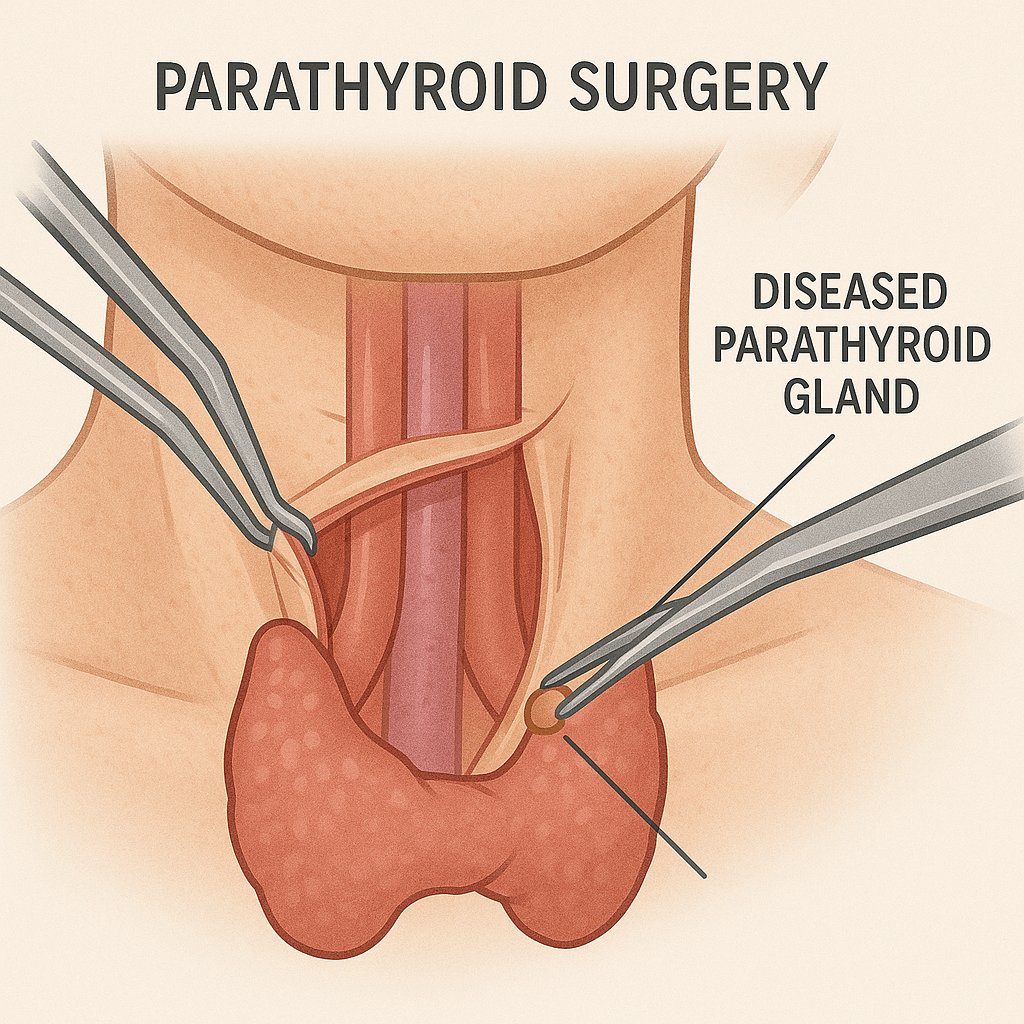
And once they remove the offending gland? At the base of your neck, you get a lovely scar tissue smiling back at you. I wasn’t thrilled with that option—at my age, though, I’d be okay if they could give me a bit of a neck tuck while they were at it, or maybe a tattoo to cover the scar.
Even though I had all my results forwarded, I met the new-to-me doctor and he hadn’t read any of the results my doctor had forwarded. Wisely, I had a reams worth of hard copies for him to pursue. He wasn’t shocked by the 5% recommended more strength training and walking. I was devastated. I had been doing everything I could—calcium, strength training—and it wasn’t enough.
He listened as I tearfully explained the bone pain I’d been having in places that hadn’t been jostled or injured. He ordered more tests. But still—I was unsettled and disappointed. I finally lamented out loud: “My body is just weird. I guess I’ll have to accept that. Who knows what mast cells do?”
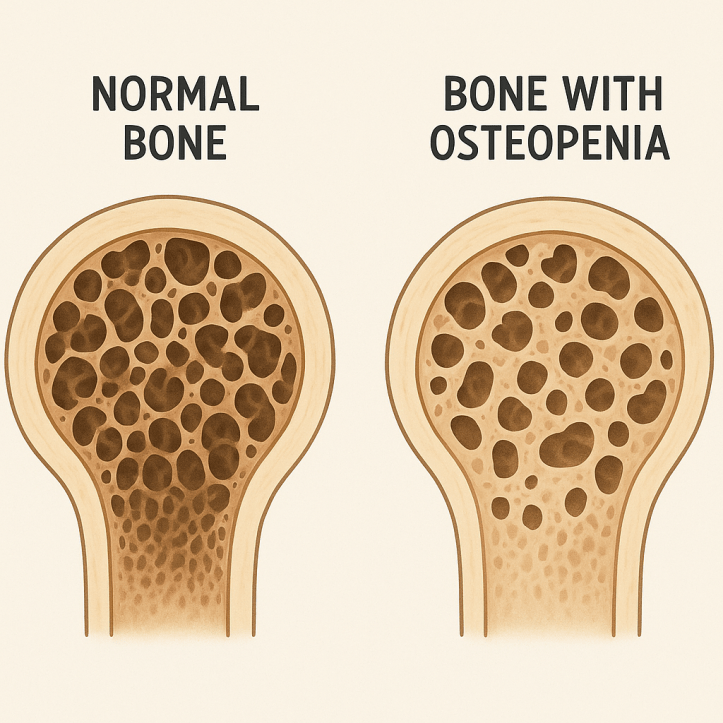
The doctor grew thoughtful, then started researching and found something remarkable: the National Institutes of Health had a study showing mast cells interfere with bone health. Mast cells release chemicals that stimulate osteoclasts (break down bone), and interfere with osteoblasts (build up bone). Break Down — Build Up—Fight—Fight—Fight!
I wasn’t crazy. I wasn’t failing. I wasn’t getting a neck tattoo.


Leave a Reply